Introduction
The Adelie penguin is one of the most recognizable penguins on Earth. With bold black-and-white feathers and a determined waddle, these birds survive in some of the harshest places on the planet. In this guide, you’ll learn key Adelie penguin facts — including their habitat, behavior, diet, and conservation status — plus why protecting them matters.
What is an Adelie Penguin?
The Adelie penguin is not only a fascinating species but also plays a crucial role in its ecosystem, making studying the adelie penguin essential for understanding climate change.
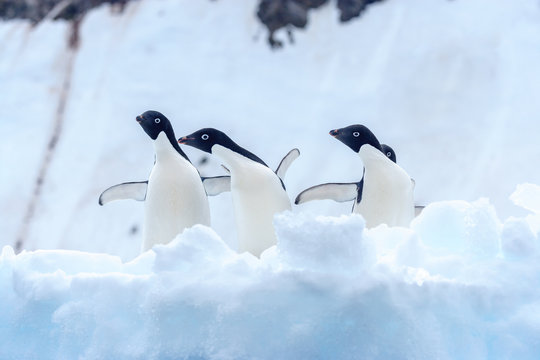
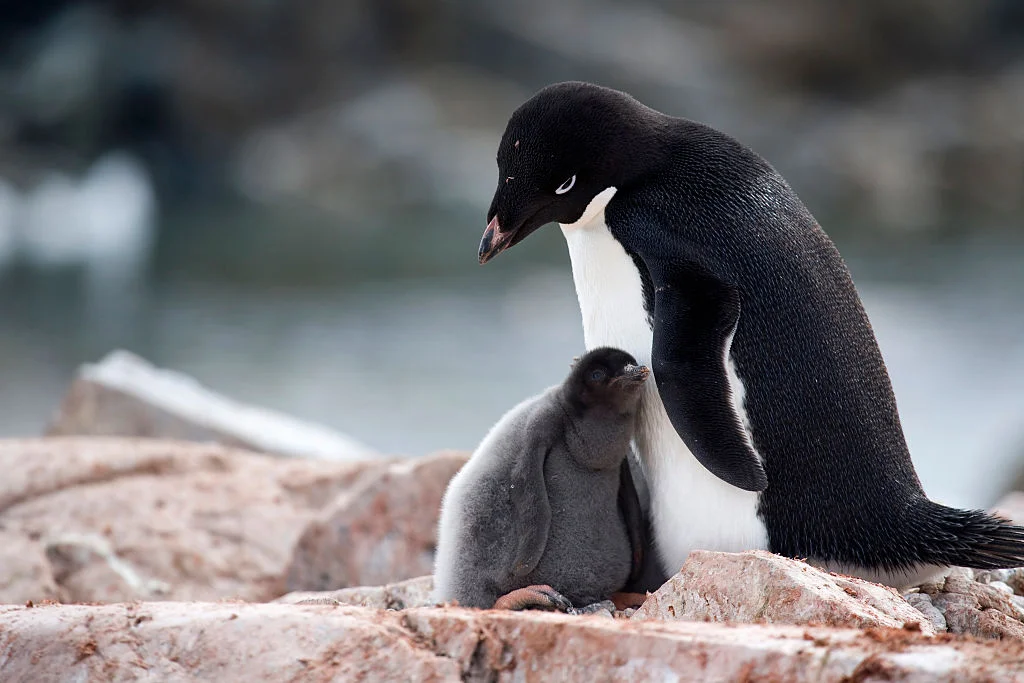
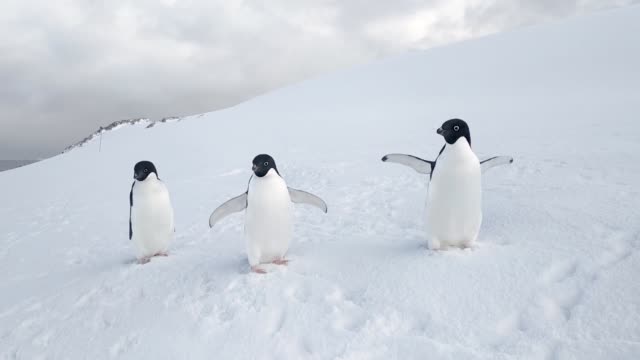
The Adélie Penguin (Pygoscelis adeliae) is one of the most iconic and numerous penguin species in Antarctica. Named in 1840 by French explorer Jules Dumont d’Urville after his wife, Adèle, this small yet determined bird thrives in one of the most unforgiving environments on Earth. Standing around 70 cm (28 in) tall and weighing up to 6 kg (13 lbs), the Adélie Penguin is instantly recognizable by its white eye ring and lively demeanor. It is a symbol of endurance, community, and adaptation in the frozen wilderness.
Adélie Penguins have a classic black-and-white coloration, with a distinctive white ring around each eye and a short, black beak often dusted with reddish-brown from krill staining. Their streamlined bodies and strong flippers make them agile swimmers, capable of reaching speeds of 10 km/h (6 mph).
They rely on dense waterproof feathers and a thick fat layer for insulation. During the Antarctic winter, their feathers become especially dense, forming a natural shield against wind chills that can drop below –40°C (–40°F).
Research on the adelie penguins helps scientists gauge the health of their habitat and the impacts of global warming.
Adelie Penguin Habitat
Adelie penguins live almost exclusively along the Antarctic coastline. They prefer:
- rocky beaches
- ice-free nesting areas
- easy access to the ocean for feeding
These penguins can survive temperatures as low as –40°F, making them one of the toughest birds on Earth.
Behavior and Breeding
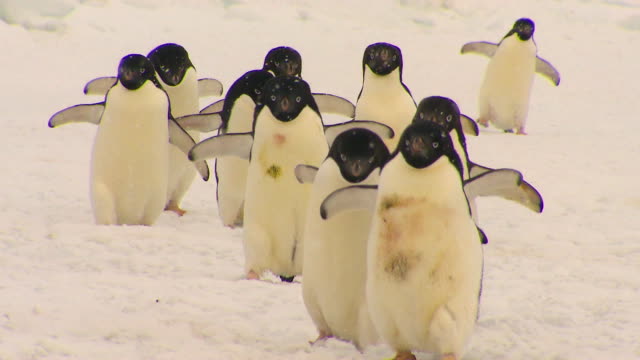
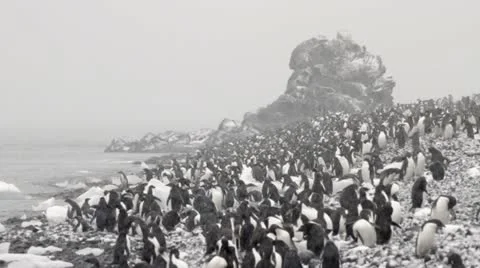
Adelie penguins are highly social and live in massive colonies, sometimes numbering tens of thousands.
During breeding season:
- They build nests out of stones.
- They perform courtship displays like bowing and calling.
- Both parents share incubation duties.
- Chicks are guarded until they grow waterproof feathers.
Sharing parental duty greatly increases chick survival.
Swimming and Hunting Abilities
Adelie penguins are powerful swimmers. Using their wings like flippers, they can:
- dive up to 575 feet
- stay underwater about six minutes
- reach speeds of up to 22 mph
Their main foods include krill, small fish, and squid.
Conservation Status
The Adelie penguin is currently listed as Near Threatened. Their biggest risks include:
- climate change reducing sea ice
- overfishing of food sources
- pollution and plastic waste
Protecting Antarctic waters — such as the large Marine Protected Area in the Ross Sea — helps safeguard their future.
Colonies along the Antarctic Peninsula have declined due to warming temperatures and loss of sea ice, which affect krill abundance and nesting areas. Long-term studies, such as those by the U.S. Antarctic Program and Australian Antarctic Division, monitor Adélie populations as vital indicators of climate change in the Southern Ocean.
Adelie penguins are considered indicator species. Changes in their population can signal major environmental changes happening across Antarctica. Their survivql is closely linked to the health of the Southern Ocean ecosystem. Understanding their challenges can lead to better conservation strategies for all species in Antarctica. Protecting them means protecting an entire ecosystem. Globalpenguinsociety.org
Fun Facts
Their guano (droppings) is so abundant it can be seen from space via satellite imagery.
Adélie Penguins were the first penguins ever recorded by explorers in the 19th century.
They can travel up to 8,000 km (5,000 miles) annually during migration.
Quick Facts
| Feature | Details |
|---|---|
| Scientific Name | Pygoscelis adeliae |
| Average Height | 68–71 cm (27–28 in) |
| Weight | 3.6–6 kg (8–13 lbs) |
| Lifespan | 10–20 years |
| Conservation Status | Least Concern (IUCN 2024) |
| Population Estimate | ~10 million breeding pairs |
| Distribution | Antarctica and surrounding islands |
Related Species
See also: